What we’re doing this for
In the end, everyoneruns their own AI partner.
So there’s room for what only people can do.
We can’t sell you that today. Today we start with one workflow: stage by stage, at a fixed price. But that’s the direction every project points in.
Why we do this
The potential is already in the operation. It just gets out too slowly.
The first plan was an aircraft for protecting critical infrastructure, a body. At the trade fairs it got clear fast: plenty of people build bodies. Build hardware alone and you’re interchangeable.
The interesting part was the other one. Every one of those bodies needs a nervous system: something that pulls data together, thinks along and decides. That’s what we kept working on. And that’s when it clicked: this nervous system is exactly what’s missing in the operations we know from the inside.
The operation we know best is Innotech. The manufacturer is a shareholder in Minotera and became our first customer right after. An enquiry comes in by phone, by mail, by WhatsApp, usually with half the information. Turning that into a quote burns hours. Not because anyone works too slowly, but because nobody ever built that process. We rebuilt it there and cut the effort by 90 %.
That’s the point where Minotera came to be. If one operation can gain that pace, all of them can.
How you can tell
Three statements we can back up.
Attitude is cheap; everyone writes “people first” on their website. Behind each of these statements is something you can check.
We listen like people. We document like a machine.
The starting point is one hour, free. A person and a system listen together, so nothing gets lost and nothing gets quietly added. The maths is done with your numbers; what ends up on paper is your figure, not our claim.
We only record with your consent. What we record stays with us, and in Europe.
We make people capable. We don’t replace them.
For us a project isn’t finished until your team runs the system with confidence. That’s a stage of its own, and it isn’t optional. Cutting headcount has never been the goal in any of our projects; what gets freed up is time for the work that needs a person.
Understanding, not just training.
We don’t drill people on buttons, we explain how these systems think. Once you’ve got that, you can work your way into the next one yourself, without us.
From doing to deciding
What gets freed up isn’t money. It’s room to decide.
In almost every operation there’s someone who carries a workflow in their head and never had to explain to anyone how it works. That person is the first to worry when the word automation comes up, and they’re exactly the person we need.
So we talk with them from day one, not about them. They don’t get another tool alongside the existing ones, they get fewer manual steps. And they keep the decision: checking and signing off stays with a person.
Automation costs nobody their job with us. Whoever carries the workflow today understands the system afterwards, and is worth more in the operation than before.
“Listening, nobody really does that anymore.”
Who does this
Whoever walks into your operation isn’t from sales.
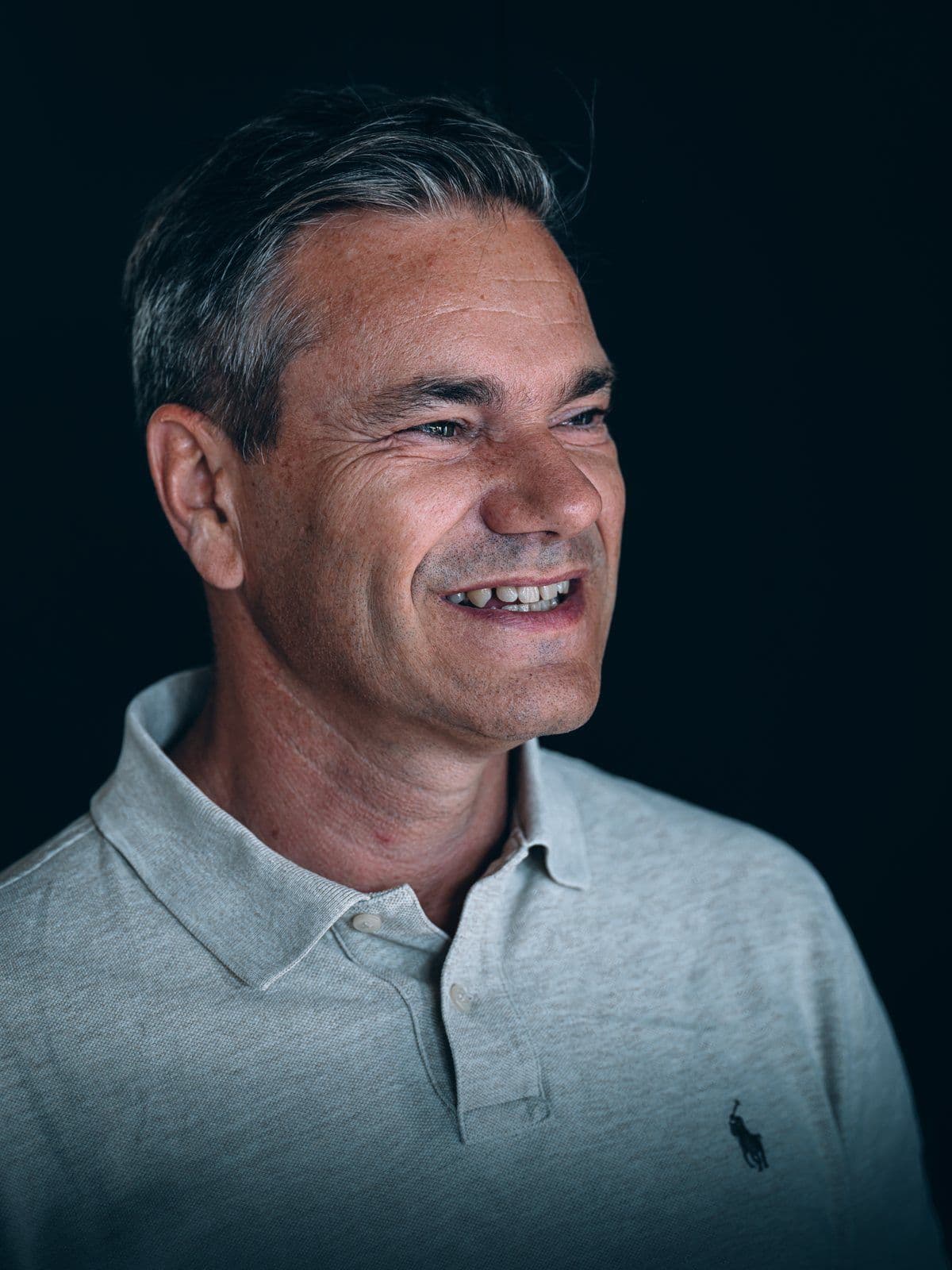
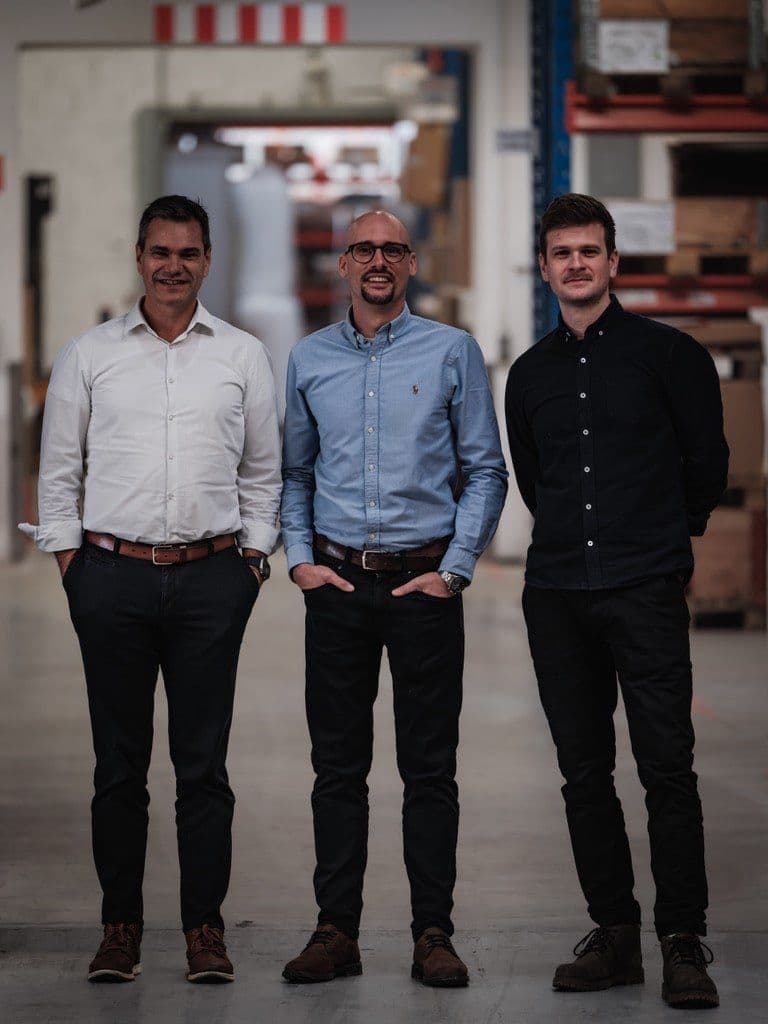
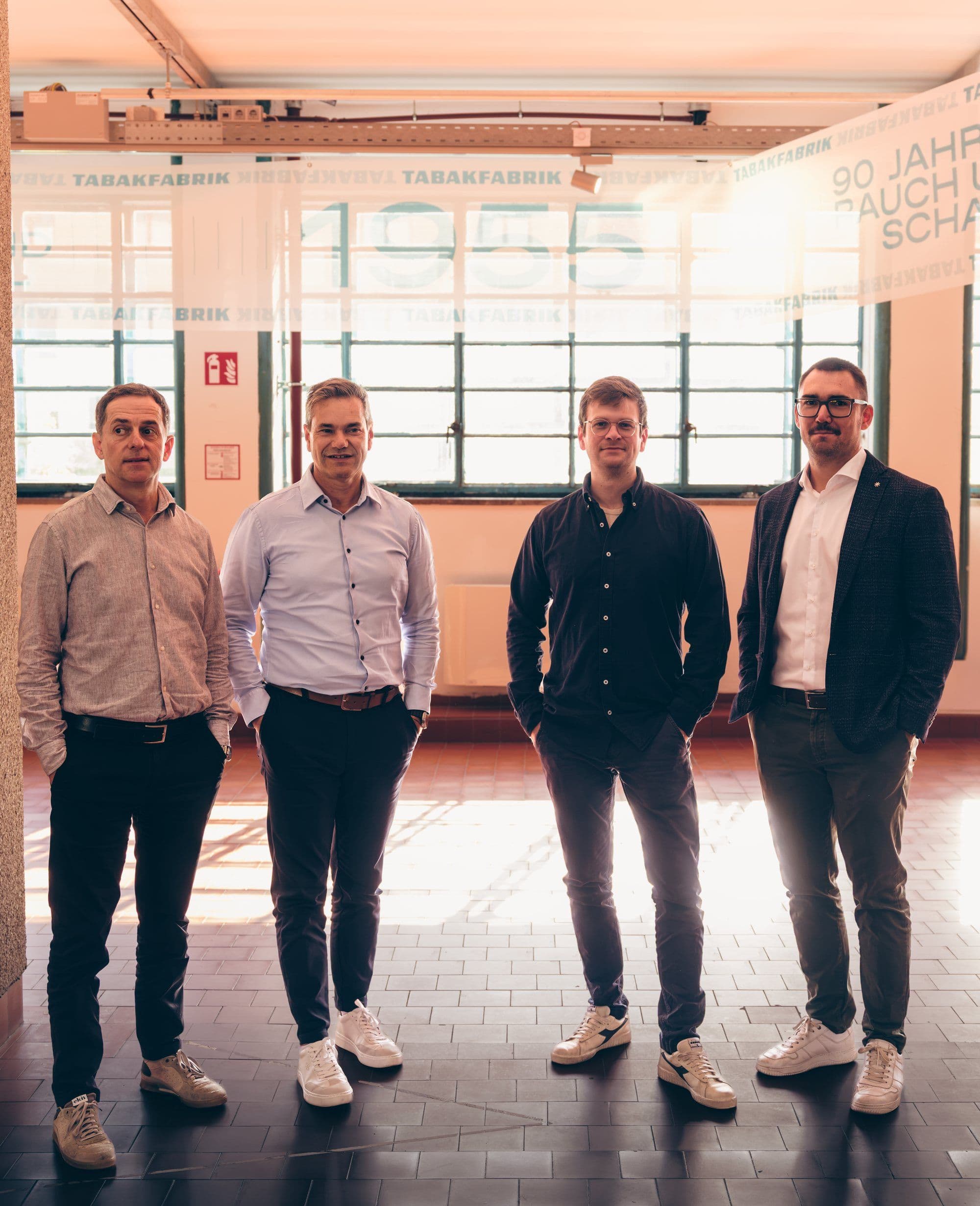
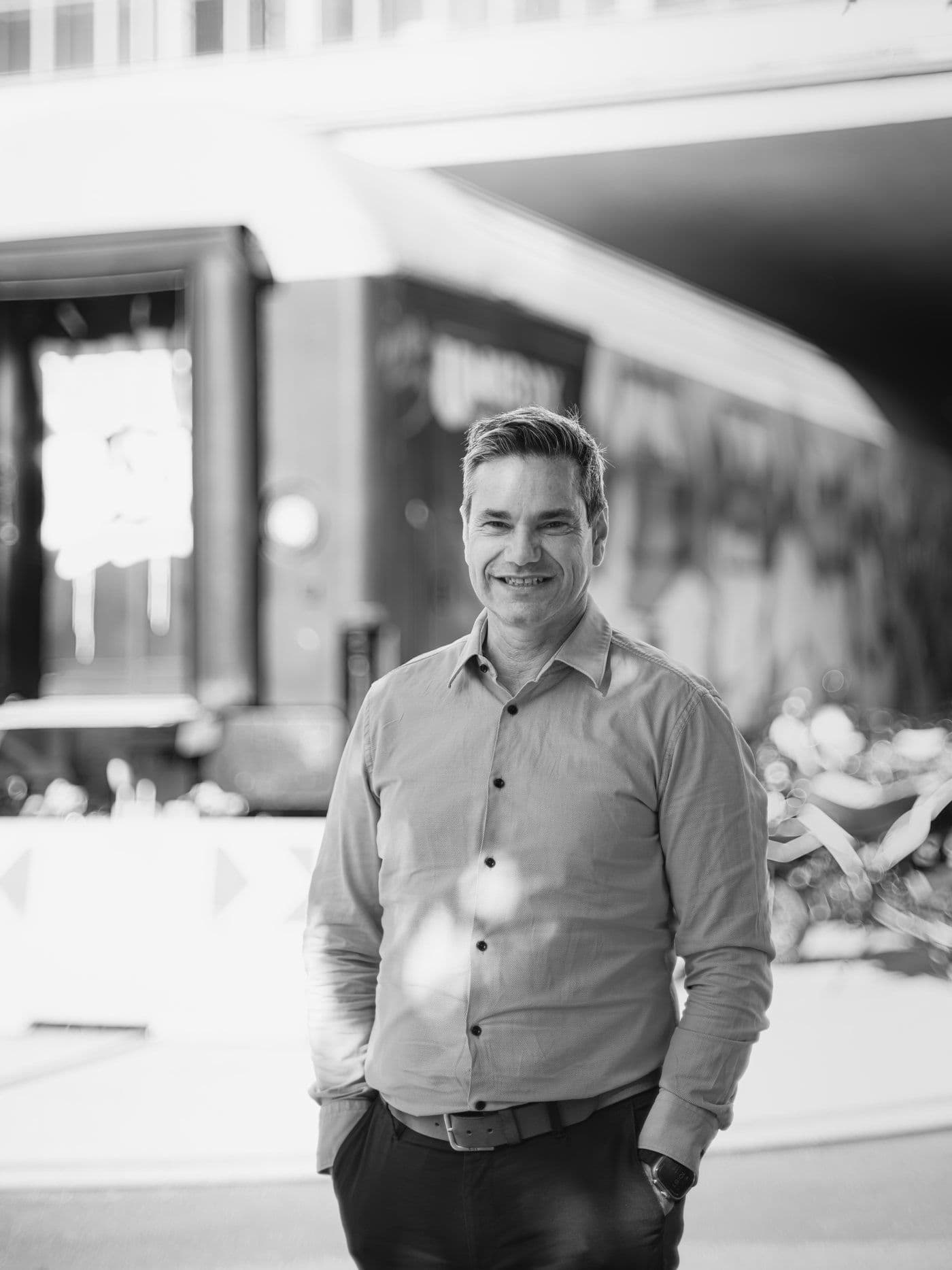
CEO
Wolfgang Auer
Twenty years in high tech, one company sold. In the first meeting, he’s the one who talks least.
“For the first two hours I ask nothing about technology. I want to know where it hurts in the operation. Listening, nobody really does that anymore.”
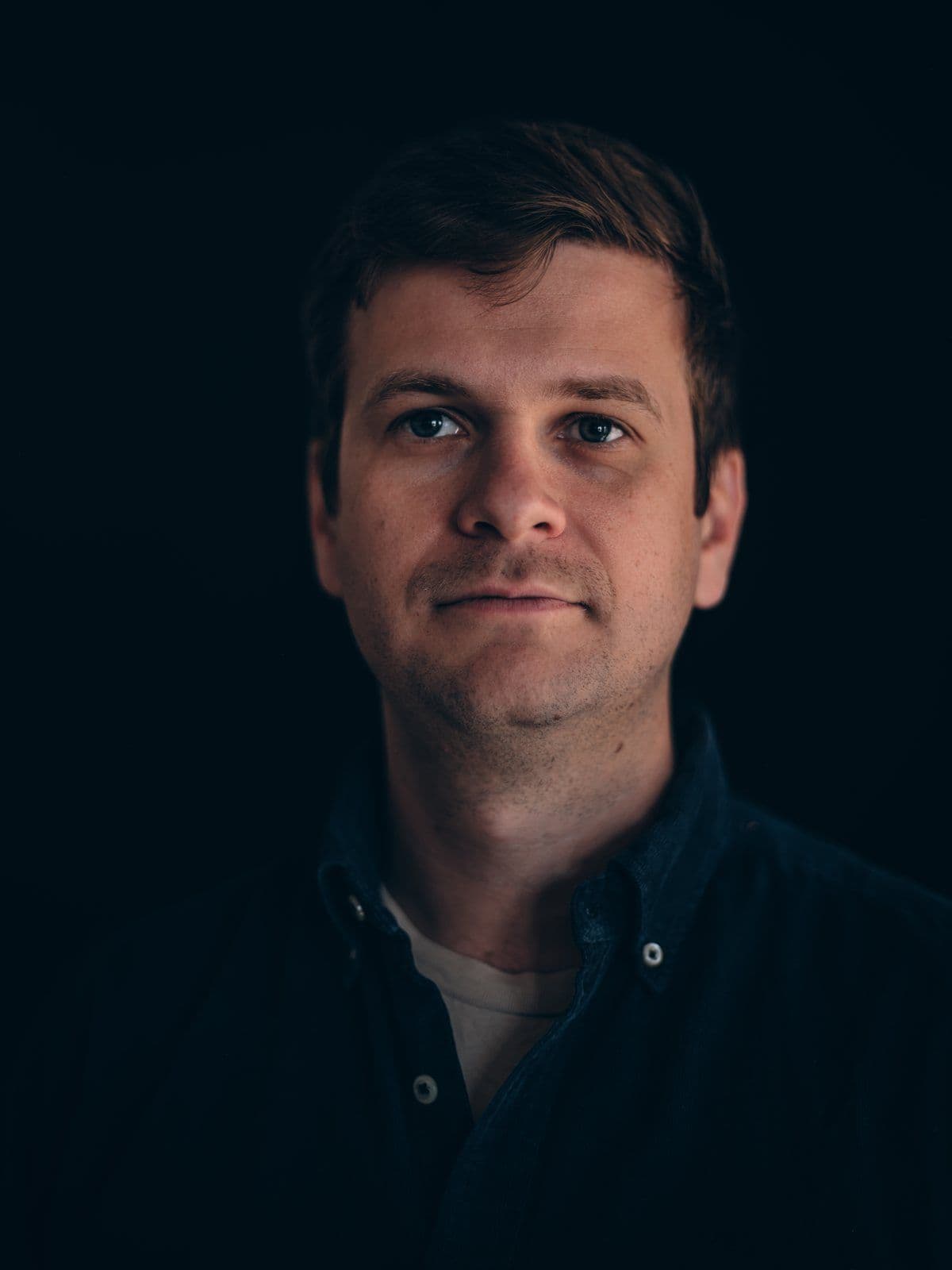
COO
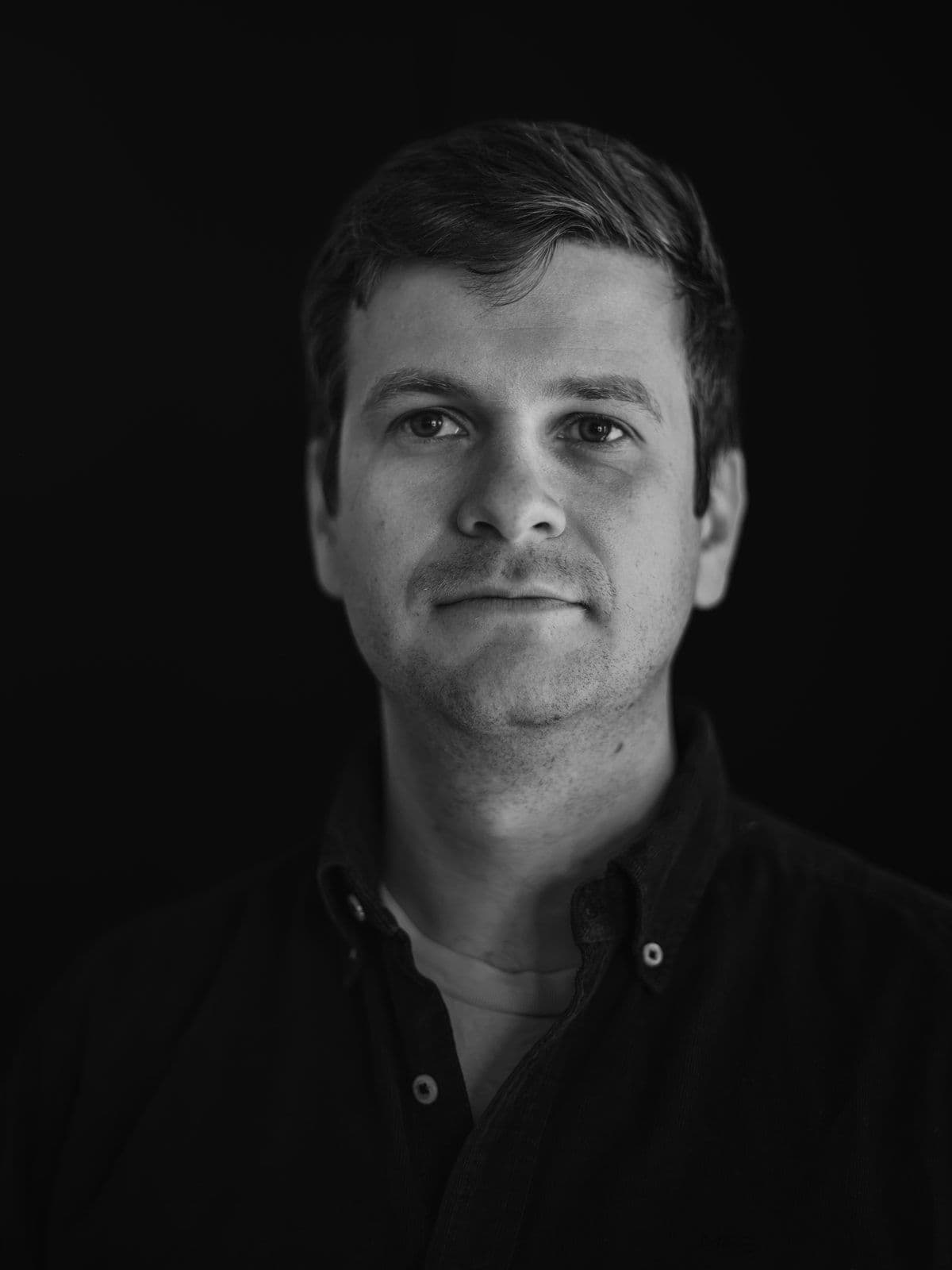
Julian Kranner
Trained composer and organisational developer. In charge of making sure someone actually works with the system in the end.
“Technology never fails on the code. It fails on the culture. That’s why I talk to the people who are meant to use the thing every day, not just to management.”
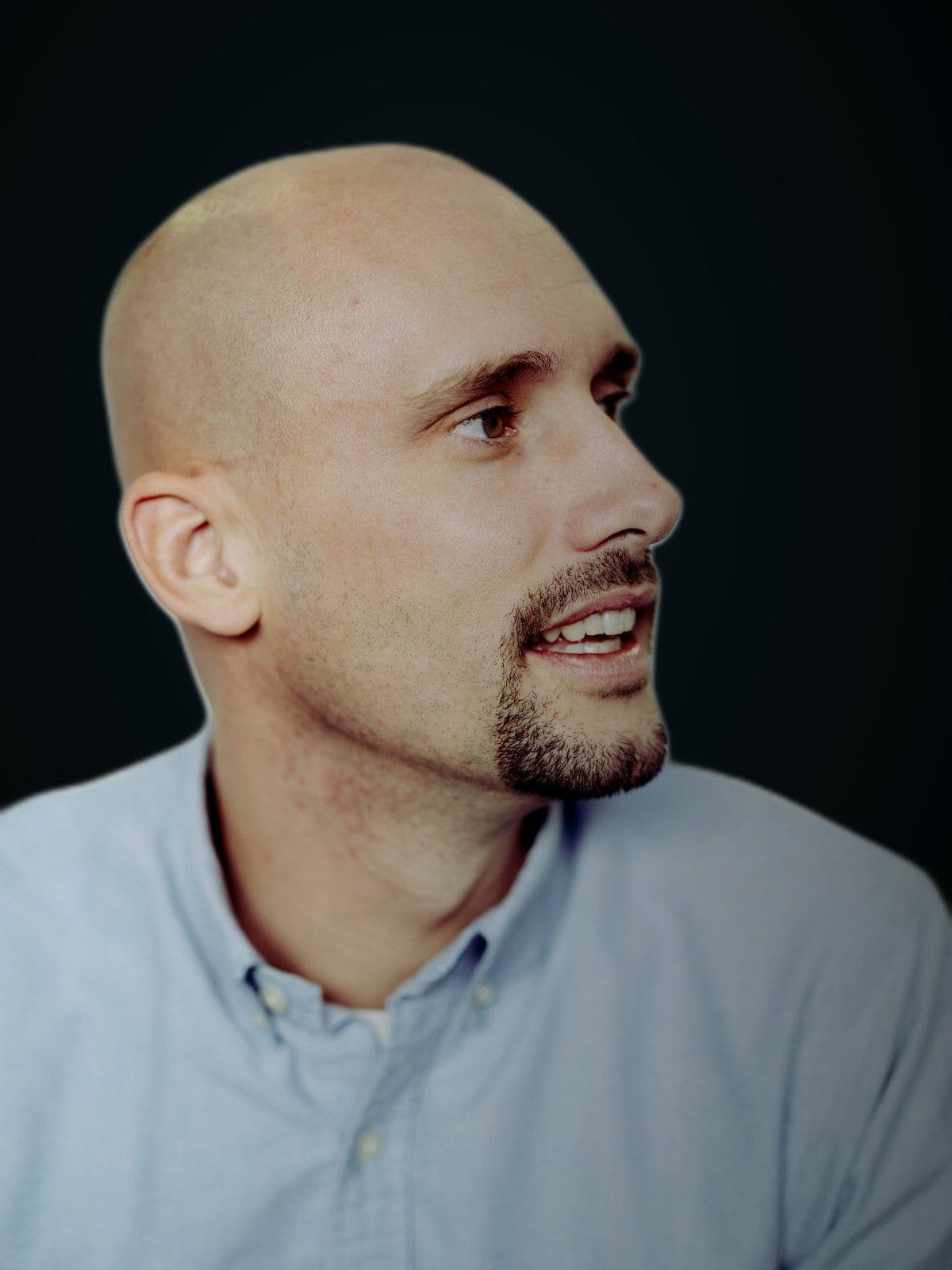
CFO
Christoph Reiter
Runs an industrial company himself. Knows the pressure on the bottom line from his own month-end close.
“On every project I sit on your side of the table. If an investment doesn’t pay off, I say so before it’s commissioned, not after.”
And we’re many more. Behind us stand developers, process people and engineers: people who come out of production and know how a shop floor sounds.
The whole teamAt home in your field, not strangers to it
Speak the language of an industry and you hear the unsaid as well. Our project leads know their way around the customer’s industry, which means they also pick up what an industry takes for granted and therefore never says out loud.
How you can hold us to it
You stay in control of every euro.
Seven stages, a fixed price once the scope is set, an exit after every single one. There’s no point past which you can no longer walk away.
No business on timesheets.
Once the scope is set, the price is set.
No standalone tools without a process.
A tool nobody embeds in a workflow gathers dust.
No build without mapping what’s there.
We don’t build anything we haven’t understood first.
No projects outside production.
We’re at home in industry, not everywhere.
Facts
Minotera at a glance
Minotera GmbH, Linz: AI for mid-sized manufacturers.
- Company name
- Minotera GmbH
- Legal form
- GmbH
- Registered office
- Linz
- Company register number
- FN 668717h
- VAT number
- ATU82861789
- Managing directors
- Wolfgang Auer, Julian Kranner
- Industry focus
- AI for mid-sized manufacturers
- Region
- Upper Austria
- Contact
- Gruberstraße 1, Top Q1204g, 4020 Linz, Austriaoffice@minotera.com+43 676 837 60 560
Source: company register and legal notice.
The first step
One hour is the fastest way to see it.
Free of charge. We come to you. If you prefer, by video.
Wolfgang AuerCEO
Julian KrannerCOO